1. Traditional Clothing and Attire:
Traditional Ecuadorian clothing varies by region, reflecting the country’s diverse indigenous communities. In the Andean highlands, women from the Otavalo community wear embroidered blouses, long pleated skirts called "anacos," and colorful woven belts. They often accessorize with layers of beaded necklaces and golden earrings. Men traditionally wear ponchos, white trousers, and felt hats. The Panama hat, despite its name, originates from Ecuador and is a famous traditional accessory. In the Amazon region, indigenous groups wear lightweight garments made from natural fibers, often adorned with beads and feathers. These traditional outfits are more than just clothing; they represent Ecuador’s cultural heritage and artistic craftsmanship.
2. Language and Literature:Ecuador is a multilingual country, with Spanish being the official and most widely spoken language. However, indigenous languages such as Kichwa (a variant of Quechua) and Shuar are also recognized and spoken by indigenous communities, particularly in the highlands and the Amazon. These languages play a vital role in preserving Ecuador’s indigenous identity. Ecuadorian literature has a rich history, with notable writers such as Juan Montalvo, Jorge Icaza, and Adalberto Ortiz addressing social issues, indigenous struggles, and political themes. Jorge Icaza’s novel Huasipungo is particularly famous for highlighting the exploitation of indigenous people. Modern Ecuadorian writers continue to explore themes of identity, history, and social justice.
3. Music and Dance:Ecuadorian music and dance are deeply influenced by indigenous, Spanish, and African traditions. In the Andean region, traditional music features instruments such as the charango (a small guitar), panpipes, and the rondador (a unique Ecuadorian wind instrument). The Sanjuanito is a well-known Andean folk dance, often performed at festivals, characterized by its lively rhythm and fast-paced steps. Coastal music, particularly in Afro-Ecuadorian communities, is heavily influenced by African rhythms. The Marimba dance, originating from Esmeraldas, is a vibrant expression of Afro-Ecuadorian heritage, featuring rhythmic drumbeats and energetic movements. The Pasillo, a romantic genre with poetic lyrics, is considered Ecuador’s national music. These musical traditions continue to thrive, showcasing Ecuador’s cultural diversity.
4. Ceremonies and Festivals:Ecuador’s festivals reflect a blend of indigenous and Catholic traditions. One of the most significant festivals is Inti Raymi, the Festival of the Sun, celebrated by indigenous communities in June to honor the sun god. The festival includes music, dancing, and rituals that date back to the Inca civilization. Another major celebration is Día de los Difuntos (Day of the Dead), during which families honor deceased loved ones with traditional foods like colada morada, a purple corn-based drink, and guaguas de pan, sweet bread shaped like dolls. La Mama Negra, a unique festival in Latacunga, is a mix of indigenous, Spanish, and African traditions, featuring colorful parades, masked dancers, and theatrical performances. Similarly, Carnaval is celebrated nationwide with water fights, vibrant parades, and traditional food. These festivals bring Ecuadorians together, preserving and celebrating their rich cultural heritage. Ecuador’s culture is a fascinating blend of ancient traditions and modern influences, making it a unique and dynamic country.
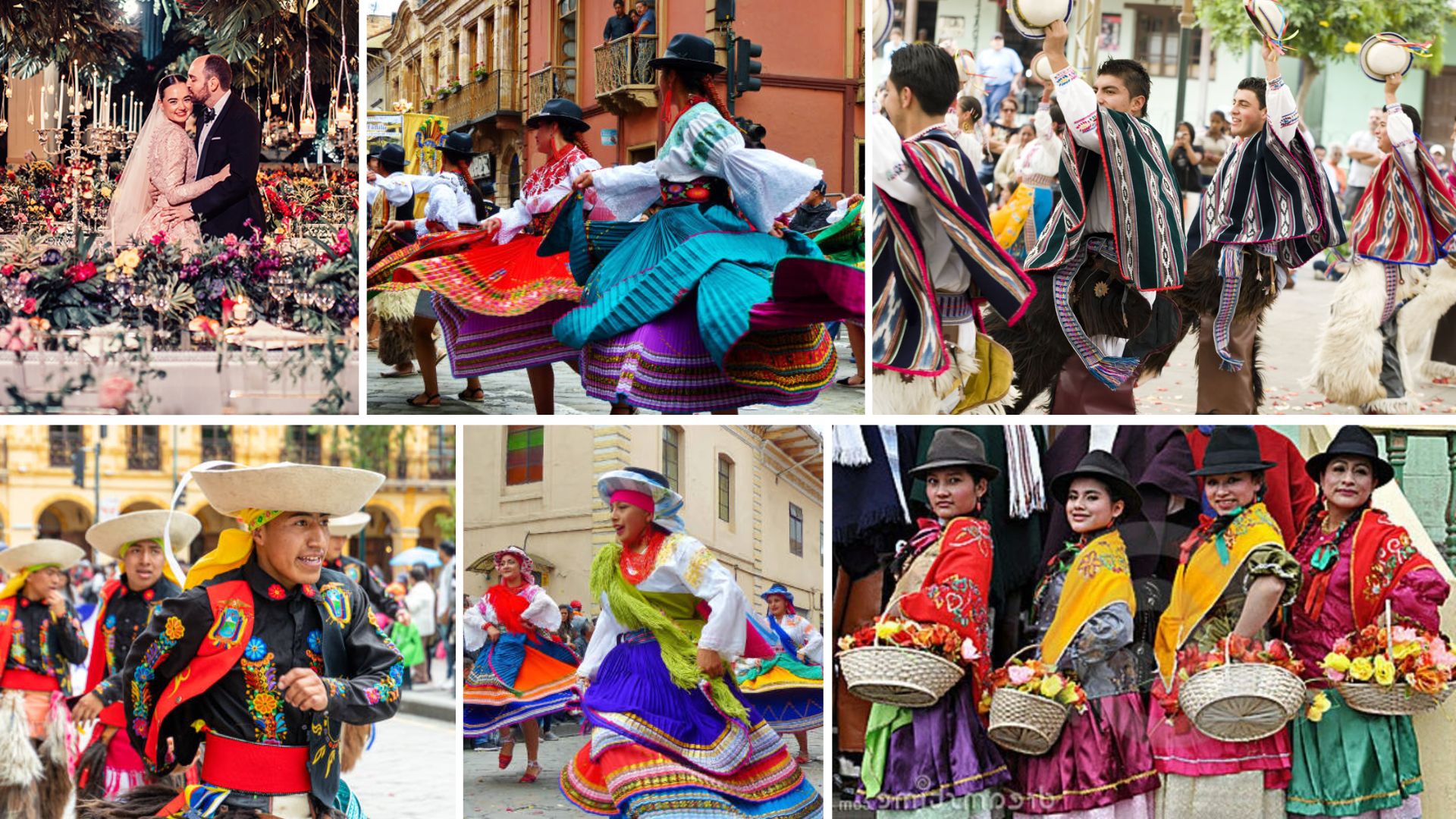
Ecuador Clothing
Ecuadorian clothing, especially in indigenous communities, is known for its rich colors and detailed embroidery. Wool from alpacas and sheep is commonly used to create ponchos, scarves, and traditional garments. Women in the highlands often wear anacos, long pleated skirts, with embroidered blouses and colorful belts. Traditional clothing in Ecuador is not just functional but also a cultural symbol, with each region showcasing unique styles. These garments are especially prominent during festivals, representing Ecuadorian heritage and identity.
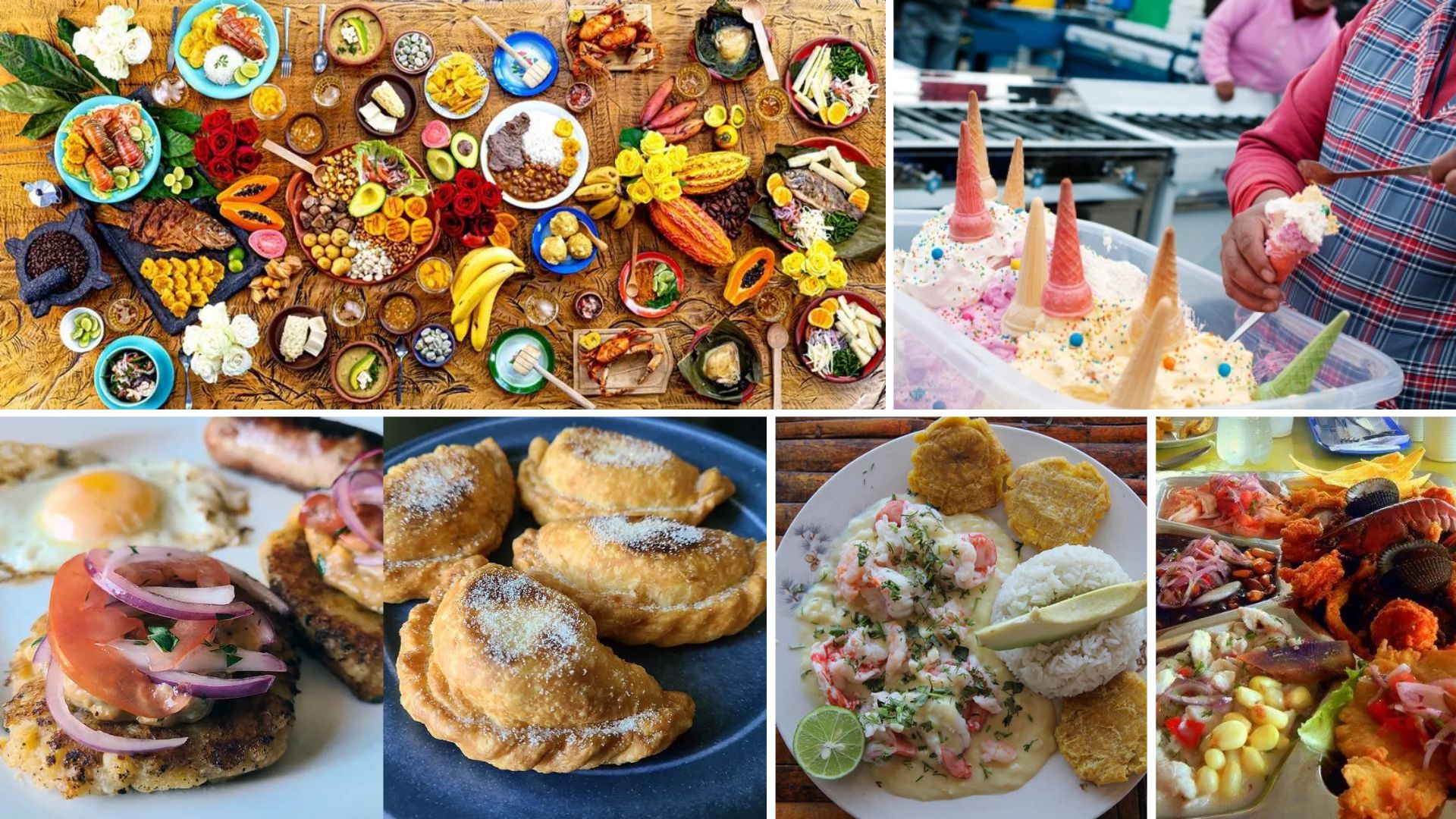
Ecuador Food
Ecuadorian cuisine is a fusion of indigenous ingredients and Spanish influences, offering diverse and flavorful dishes. Signature meals include ceviche, made with shrimp or fish marinated in citrus juices, and encebollado, a hearty fish soup with yuca and onions. The country is known for its variety of potatoes, corn, and plantains, which are staples in traditional recipes. Chicha, a fermented corn drink, is popular in indigenous communities. Ecuadorian cuisine is celebrated for its unique flavors and cultural significance.
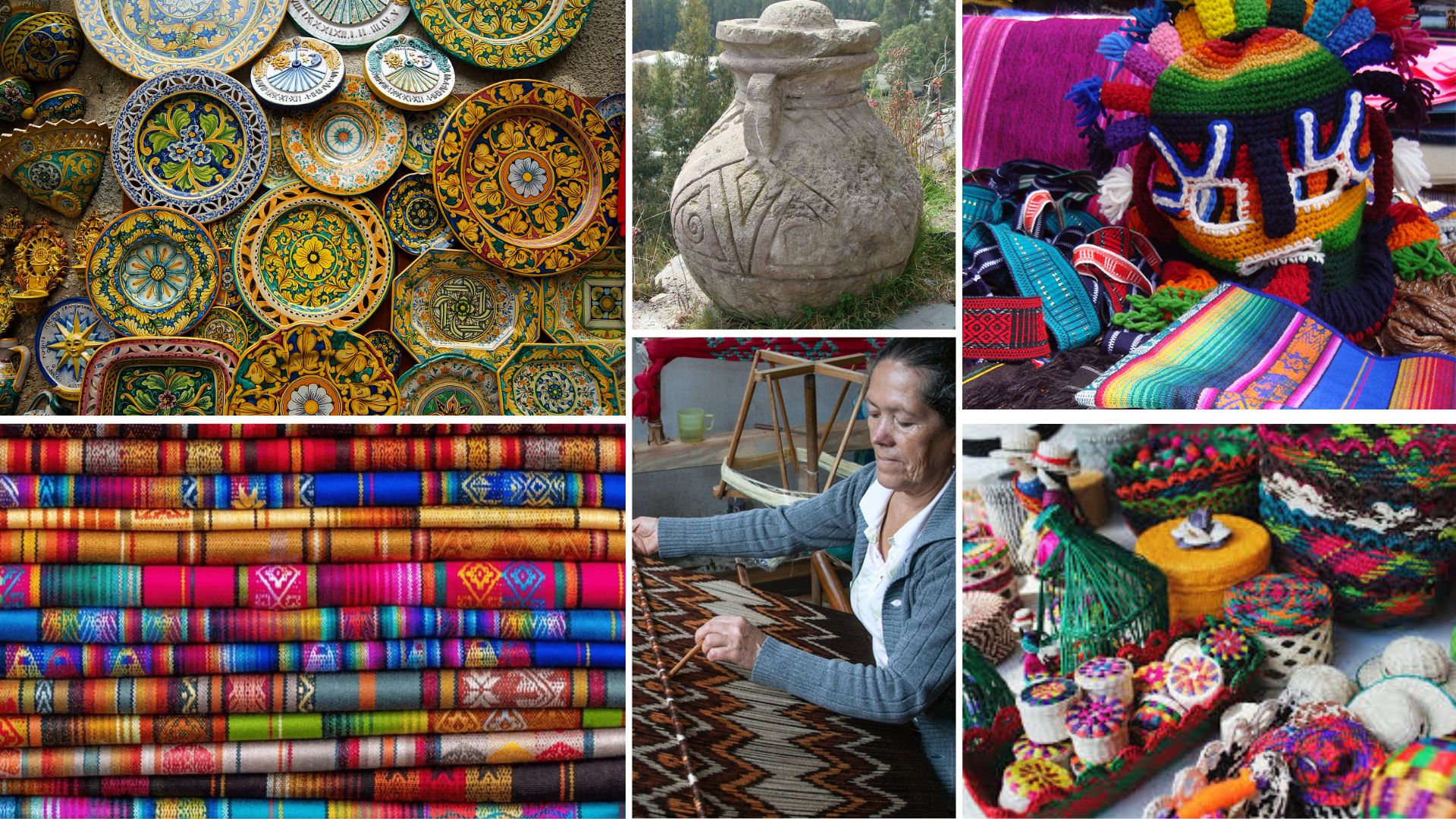
Ecuador Arts and Crafts
Ecuador has a rich tradition of arts and crafts, particularly in textile weaving, pottery, and metalwork. Textile weaving is a prominent art form, with bright colors and intricate patterns representing indigenous heritage. Pottery and ceramics often feature designs inspired by pre-Columbian cultures, while silver and gold jewelry showcase traditional symbols. The art of tagua carving, using vegetable ivory, is also popular, creating detailed figurines and jewelry. These crafts play a vital role in preserving Ecuador’s cultural identity and artistic heritage.
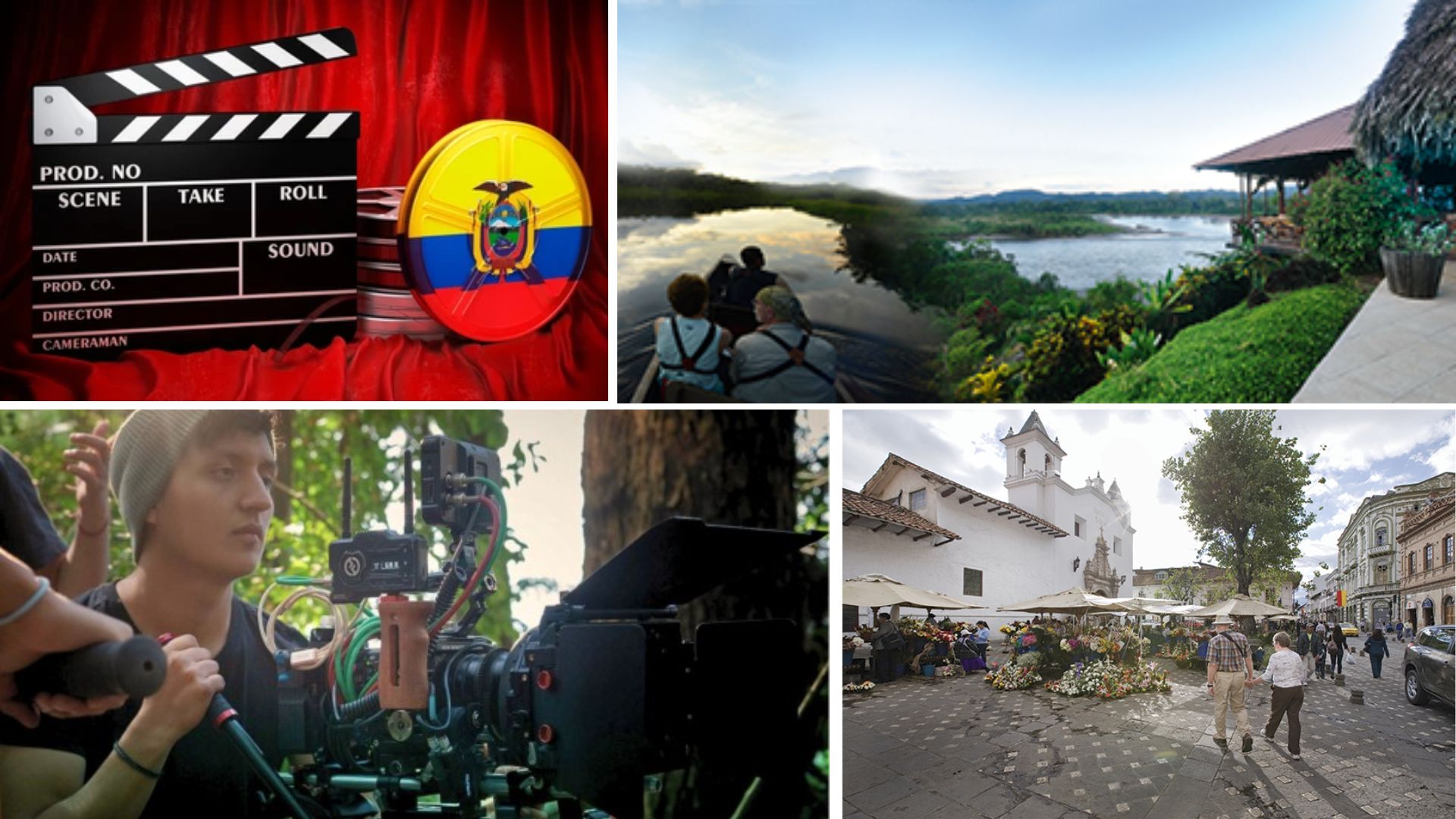
Ecuador Film Industry
Ecuador’s film industry is gradually gaining recognition, focusing on themes of indigenous culture, social issues, and national identity. Films like Ratas, Ratones, Rateros and Qué Tan Lejos have received international acclaim for their storytelling and realism. Sebastián Cordero, a prominent Ecuadorian filmmaker, has played a key role in bringing Ecuadorian cinema to a global audience. Despite financial challenges, independent festivals continue to support emerging filmmakers and promote Ecuador’s diverse narratives.
Ecuador Economy
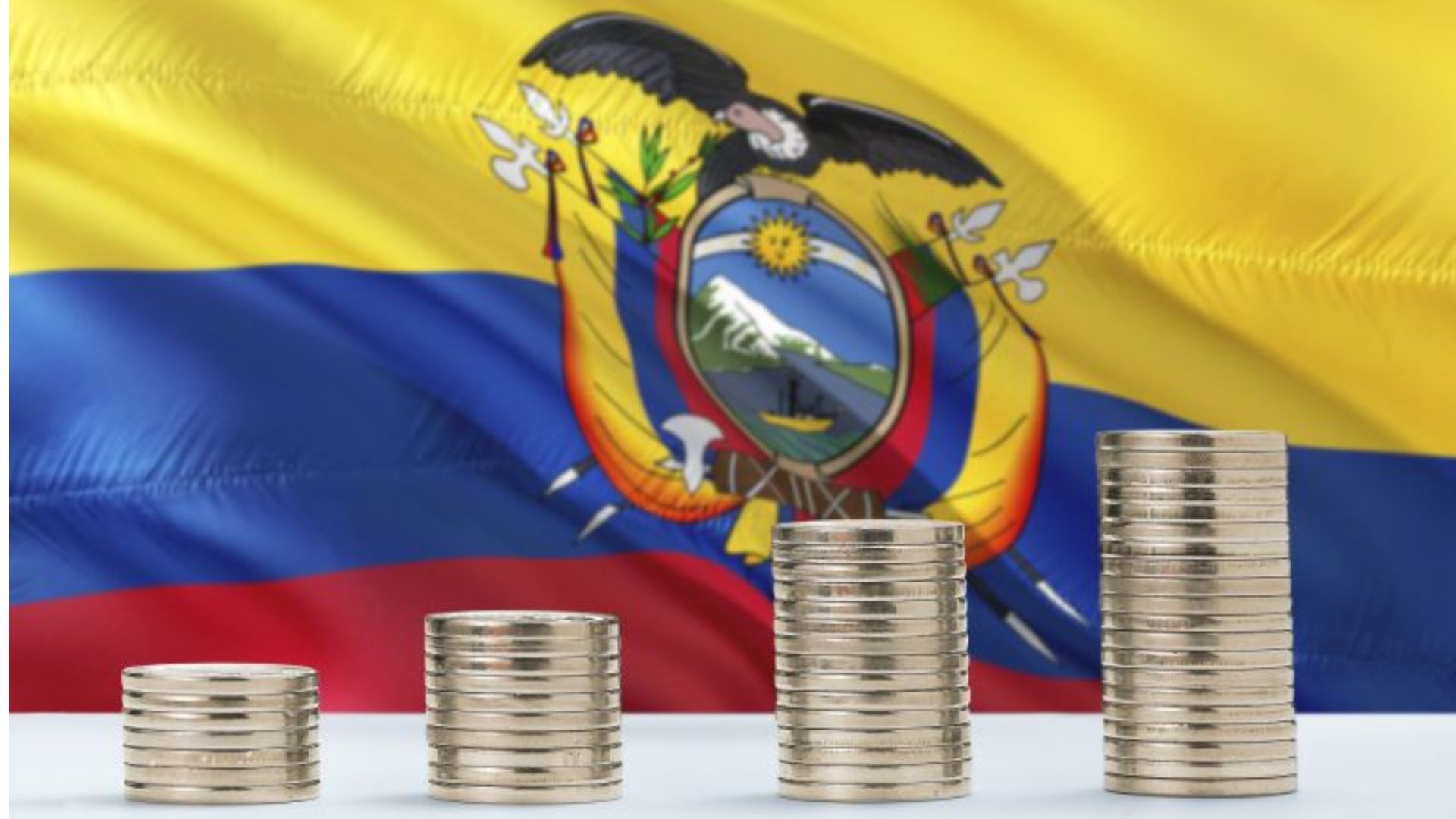
Ecuador’s economy relies on its rich natural resources, including oil, bananas, and shrimp, which are major exports. The petroleum industry plays a crucial role, though it also presents environmental and economic challenges. Agriculture is another key sector, with cacao, flowers, and coffee contributing significantly. Tourism, especially to the Galápagos Islands, is an important source of revenue. Despite economic progress, Ecuador faces challenges like poverty and unemployment, which the government continues to address.